A propos deEvénementsConseil d'administration et personnelRapportsEnquête FNIOffres d'emploiNos projets domestiquesNos projets de réparation de maisonsDîmeApparel StoreFAQNous contacter
mai 22, 2025
Redistribution: More Than Economics
In our very first blog post on CCDA principles, we wrote that Redistribution means "creating just economic opportunities for all," which is true. In order to accomplish economic vitality, though, redistribution must occur within more than simply economic resources. I'd like to share more about this today!
Learning from John Perkins
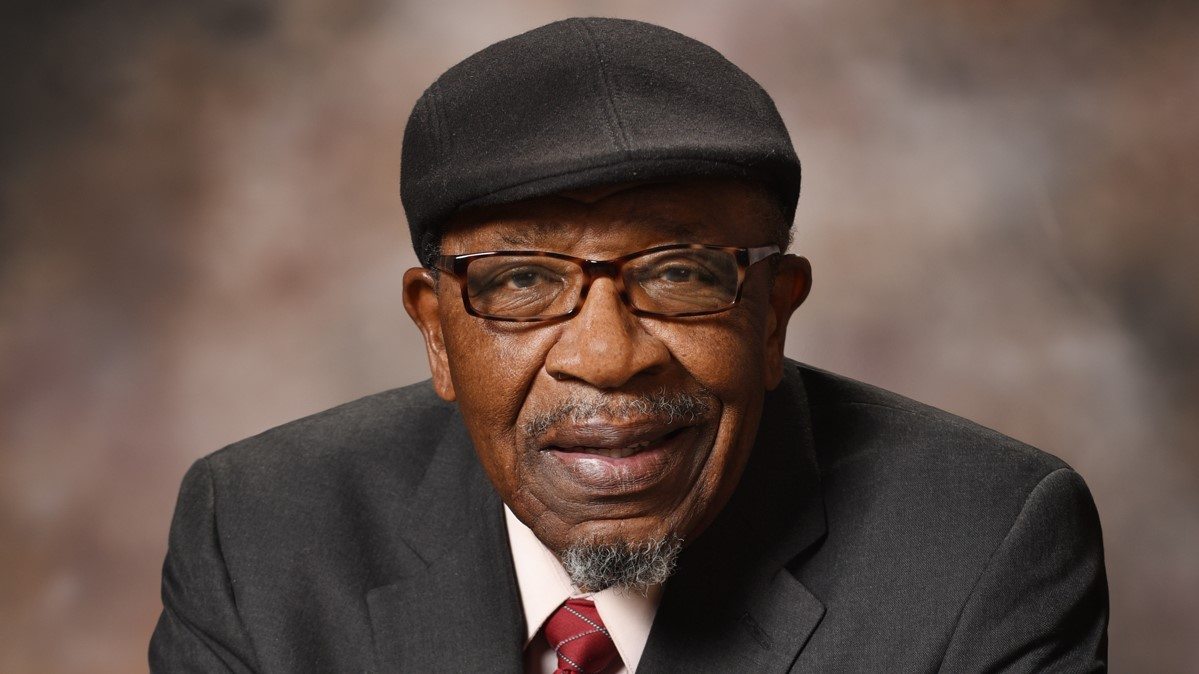
John Perkins stands as one of the foundational voices in the Christian Community Development movement. His prophetic call for the church to engage in holistic ministry has shaped generations of practitioners seeking to bring God's shalom to under-resourced communities.
I read a book that was edited by John Perkins called "Restoring At-Risk Communities," which transformed my understanding of what it means to follow Jesus in communities affected by poverty and injustice. Perkins' three Rs—Reconciliation, Relocation, and Redistribution—provide a comprehensive framework for addressing systemic issues while maintaining deep spiritual roots. His personal journey from Mississippi sharecropper to civil rights leader and community developer demonstrates the power of Christ-centered community transformation. I've included a picture of John Perkins above, if you haven't heard of him before. (Image credit and more information can be learned about Perkins' legacy: The Gospel Coalition's article "The Final Call of John Perkins" by Sarah Eekhoff Zylstra.)
Embracing a Systems Approach
I had not really thought about systems approaches versus individuals' efforts affecting life outcomes in the way that Perkins and his fellow authors Lowell Noble and Ronald Potter presented before reading "Restoring At-Risk Communities". In Chapter 3 on "Understanding Poverty," Perkins wrote about how an individuals' choices don't always dictate their outcomes, outlining two theories that explore "why the poor are poor" (p.47). In Theory A, society is at fault. In Theory B, people experiencing poverty are at fault. When I read this book and discussed it with a small group in a book read, probably every single person in the room had a slightly different take on the theories and where they landed on the spectrum between Theory A and Theory B. We hold tension between the two realities of brokenness that exists in systems and an individual's personal responsibilities. I recommend reading Chapter 3 of "Restoring At-Risk Communities" if you are interested in exploring this concept more and learning directly from the authors.
Understanding Different Types of Resources
Redistribution involves far more than just money. When we broaden our definition of resources, we discover many ways to participate in God's economy of abundance:
- Knowledge and Skills: Sharing educational opportunities, mentoring, and training
- Social Capital: Opening networks, relationships, and opportunities that come through connections
- Time and Attention: Being present and fully engaged with people
- Power: Ensuring decision-making includes the voices of those most affected by the outcomes
- Space: Creating welcoming environments where diverse communities can gather and collaborate
Reframing Redistribution
Redistribution isn't some crazy anti-capitalistic economic idea. As one of the CCDA Immerse videos says, if we were to redistribute all of the money equally among people, it would all go back to being the same in about 24 hours. People with less would use their newfound financial means to buy things that they were lacking, and the wealthy would regain whatever had been "taken away".
Rather, redistribution means giving resources in action, in a way that only God's people can accomplish. It's about creating systems and relationships where everyone can contribute their gifts and everyone's needs are met—much like the early church described in Acts 4, where "there were no needy persons among them."
Bridging Understanding
There's significant difficulty for people who have not experienced poverty to understand people in poverty. Reading "A Framework for Understanding Poverty" by sociologist and researcher Dr. Ruby Payne with 20 people in the past year--including a variety of people from not only Iowa Heartland Habitat for Humanity staff, but also local church members, non-profit partners, neighborhood residents, and community members--has been eye-opening for me. I appreciate and recommend this book for understanding how poverty affects not just finances but mindsets, relationships, and decision-making processes.
The book helps us recognize that poverty involves hidden rules and survival skills that may seem counterintuitive to those raised in middle-class or wealthy environments. By understanding these differences, we can build bridges of hope in our communities.
The Spiritual Practice of Redistribution
Overall, redistribution requires a dying to self. This death is much like Jesus' dying to himself in order to bridge the gap between humanity and God for all of eternity. The incarnation itself—God becoming human, laying aside divine privilege—is the ultimate model of redistribution.
If we can give of our time, talents, and treasures to uplift the lives of others in need, this is redistribution. If we donate funds to worthy organizations doing the work of Christ's call, we are being agents of redistribution. If we follow the Holy Spirit to give compassion to another person in a dire situation, even not fully knowing the extent of their suffering, we are saying yes to Jesus and no to ourselves. This reminds me of the call in John 3:30: "He must become greater; I must become less."
Redistribution in Action: Micro-Grants
One example of how the neighborhood department is implementing redistribution principles is through our Micro-Grants program. The "Miracle of Marigolds" project illustrates this beautifully. Working with Walnut neighborhood residents, a small grant supplied funds to plant street corners of bright marigolds and that not only beautify the neighborhood but also create a natural experience of unity among neighbors.
The Miracle of Marigolds gathering this spring was truly inspiring—seeing longtime residents working alongside newcomers, sharing gardening wisdom across generations, and transforming small street corners into vibrant community spaces. These micro-grants don't just fund projects; they catalyze relationships and help residents use their own expertise to improve their neighborhood.
The Challenge of Healthy Redistribution
As Robert Lupton warns in his book "Toxic Charity," we must be very careful about limiting one-way giving. Even with grants such as the Micro-Grant program, we emphasize partnership with residents, ensuring that community members lead initiatives. The most effective redistribution empowers people to use their own gifts and abilities within supportive relationships.
Questions that I suggest we ponder:
- Do I have resources that I can contribute to neighborhoods or supportive local organizations?
- Do I see the world through an individualistic or systems approach most of the time? Why?
- How can I practice redistribution in ways that honor the dignity and agency of those I seek to serve?
- What personal comfort or privilege might I need to surrender to participate more fully in God's work of redistribution?


An excellent and challenging post. Thanks for taking the time to put it together. I need to think more about these ideas and this helps motivate me to do so. Thank you!
Thanks for sharing your thoughts, Mark!