The Power of Planting Trees in Neighborhoods Through Community-Led Grants
Trees are more than just greenery—they’re vital urban infrastructure that clean the air, cool our neighborhoods, and boost residents' overall wellness. Yet, in historically redlined neighborhoods—areas systematically disinvested due to policies from the 1930s to 1968—tree cover is scarce, leaving residents vulnerable to heat-related illness, less beauty, and decreased access to green spaces. Community-led grant programs, driven by resident input, are changing this by empowering locals to plant trees in their neighborhoods.
Here’s why trees matter, how redlining created disparities, and how residents are taking action.
Why Trees Are Essential
Trees transform urban life:
Environment: They filter pollutants, cool temperatures, and reduce flooding by absorbing stormwater.
Health: Trees lower stress, asthma, and heat-related illnesses while encouraging exercise.
Economy: They cut energy bills, raise property values, and create local jobs.
Community: Trees foster social bonds, reduce noise, and may even lower crime.
Redlining’s Lasting Impact
Redlined neighborhoods, often home to a wide range of residents with lower incomes, lacked investment, including in green spaces. Today, these areas have ~23% tree canopy compared to ~43% in wealthier neighborhoods. This leads to:
Heat: Redlined areas are 5–13°F hotter, increasing heat-related deaths.
Pollution: Fewer trees mean worse air quality, driving higher asthma and heart disease rates.
Isolation: Sparse green spaces limit recreation and community connection.
Wealth: Less tree cover means residents miss out on economic benefits like energy savings.
Community-Led Grants: A Pathway Forward
Resident-driven tree planting, supported by grants, is changing this problem in many places. Programs like TreesLouisville, Root Nashville, and Greening of Detroit prioritize local input, ensuring trees meet community needs. Benefits include:
Empowerment: Residents choose tree types and locations, fostering ownership.
Trust: Engaging locals overcomes distrust from past failures (e.g., 25% of Detroiters rejected free trees due to city mistrust).
Sustainability: Community “planting captains” and care instructions ensure trees thrive.
Health and Jobs: Green spaces improve mental health and create local planting jobs.
Many grants, paired with nonprofit support, have made resident-led tree plantings possible. However, challenges remain: distrust, maintenance needs, limited space, and gentrification risks. Solutions include early resident engagement and education, as well as supportive ongoing tree care.
Walnut Neighborhood as a Local Example
Walnut Neighborhood in Waterloo, IA received 3 Uplift grants from the Community Foundation of Northeast Iowa (CFNEIA) from the years 2021-2024 and planted 291 trees total, costing $42,396, during the 4-year tree planting initiative!
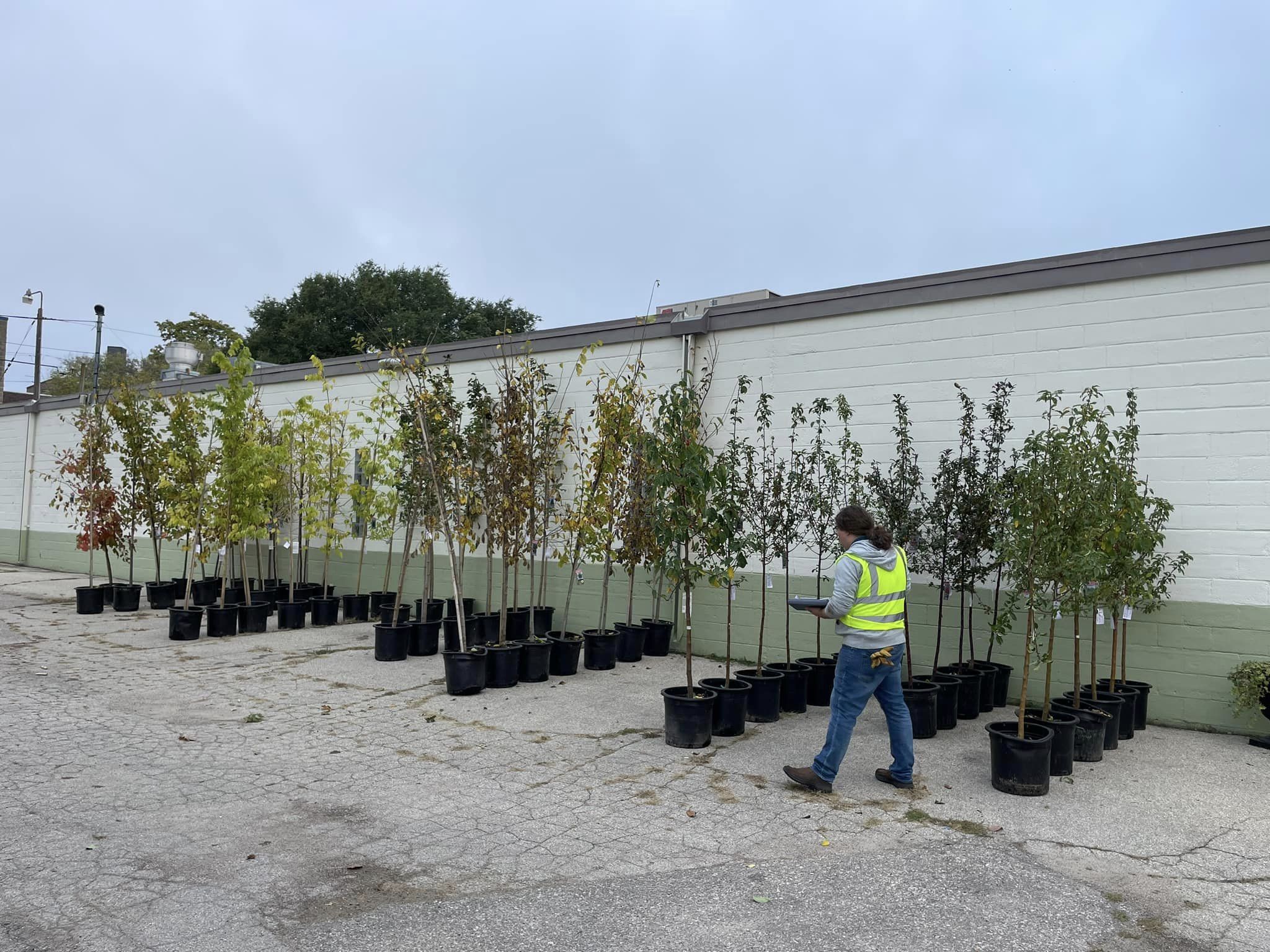
Before any tree plantings took place, committed residents hired Ritland & Kuiper, a local landscape architect firm, to create a comprehensive neighborhood tree planting plan for $2,000. This plan provided specific tree types for easements between the sidewalks and the streets throughout the entire neighborhood. Notably, Ritland & Kuiper selected a mixture of shade trees and flowering crab trees depending on the street locations.
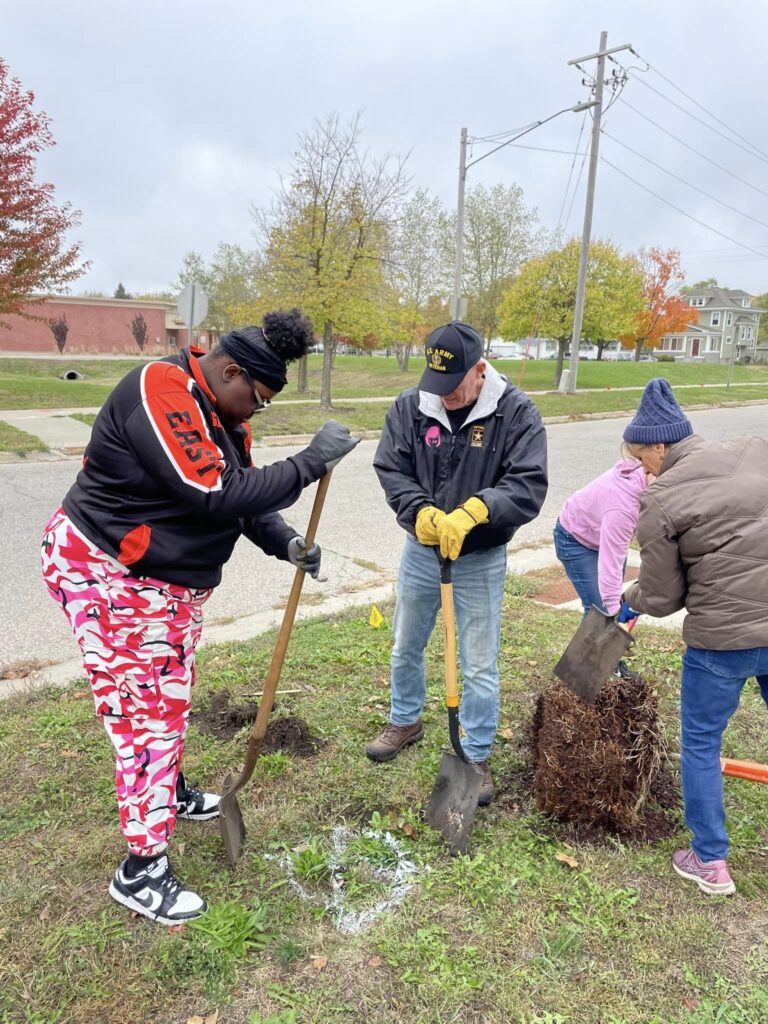
Laura Hoy, resident and past Walnut Neighborhood Association president, spearheaded this tree planting effort. Describing the collaborative effort, she says: "The partnerships formed for the Walnut Tree Planting effort were fantastic. We're thankful to the City of Waterloo for their invaluable help in the planting, and we are also thankful to the many volunteers who offered their care and time to the effort. A special shout out to Green Iowa AmeriCorps and East High's JROTC students for assisting during all 4 phases."
It is amazing to reflect on the differences that trees can make in a community. Laura, being a longtime resident, also shared some reflections about the tangible differences that she's experienced: "Five years ago, the Walnut Neighborhood had one of Waterloo's least amount of tree cover. Today, as you drive through the neighborhood, you'll see almost 300 new trees enhancing our neighborhood. These trees will provide beauty, shade, and oxygen and are just one part of a broader effort toward creating a flourishing neighborhood."
A Greener, Fairer Future
Trees are a powerful tool for environmental justice, which is a part of Habitat for Humanity International's overall framework for neighborhood revitalization. In redlined neighborhoods, community-led grant programs are not just planting trees; they’re planting hope, health, and resilience. By centering resident voices, these efforts are building cooler, greener, and more sustainable communities, one tree at a time.
Pictured below are photos from the 2023 tree planting day, organized by Laura Hoy, a Walnut neighbor. Several staff from Iowa Heartland Habitat for Humanity were blessed to participate alongside many other partner organizations.